
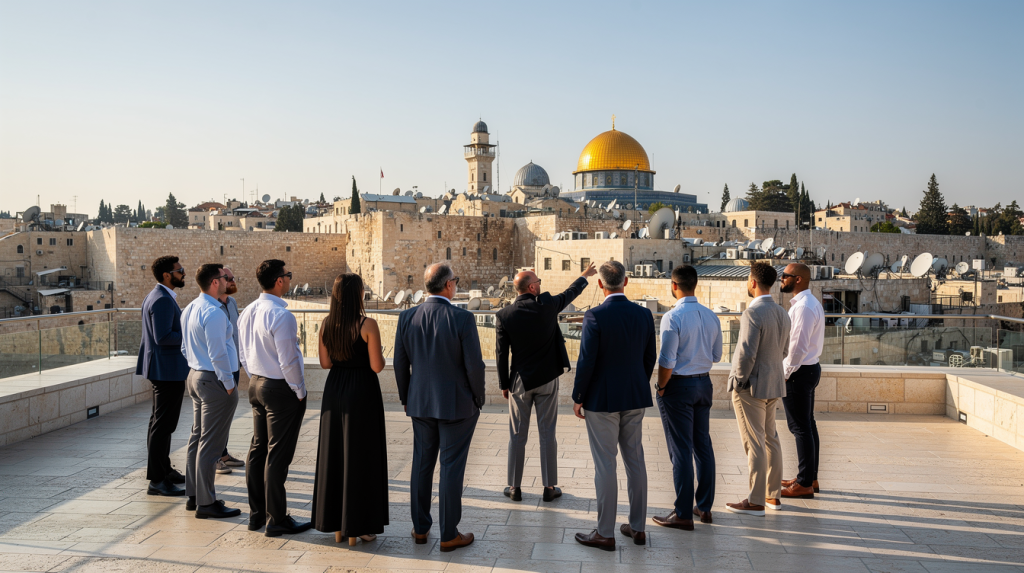
Why Is Israel a Top Destination for Professional Study Tours?
Israel occupies a rare position on the map: a small strip of land where three continents' worth of history, religion, and modern industry sit within a few hours' drive of one another. This density is what makes professional tours Israel programs so efficient for organizations trying to cover multiple learning objectives in a single trip. Israel study tours are built around this compact geography, allowing groups to move from a desert research station to a coastal tech campus without losing a full travel day.
The scope of these programs extends well beyond sightseeing. Educational tours Israel typically combine ancient sites with contemporary institutions, giving participants a working sense of how a modern economy grew out of a historic landscape. Guided study trips to Israel are structured around this contrast, offering curated Israel travel experiences that pair a morning at an archaeological excavation with an afternoon inside a research lab. National tourism policy has leaned into this model, and the OECD tourism report notes ongoing investment in destination development and professional training tied to group and educational travel.
Study Tour Versus Regular Tour: The Structural Differences
Standard tourism is built around leisure and general sightseeing, with a loose schedule and broad appeal. A study tour operates on different logic. It is structured, experiential learning travel with defined outcomes attached to each stop. Immersive Israel travel of this kind is designed so that every site visit answers a specific question the group brought with them, rather than simply checking a landmark off a list.
This is where purposeful travel Israel programs diverge operationally from vacation packages. Custom Israel itineraries are built around a client's subject matter, not a generic regional route. Tailor-made Israel experiences might place a university cohort inside a government ministry briefing one day and a Byzantine-era site the next, creating an Israel learning journey rather than a fixed sightseeing loop.
Who Benefits Most from These Tailored Educational Travel Programs?
Academic travel Israel programs serve university students, faculty, and research institutions looking for fieldwork and comparative study opportunities. Religious group travel Israel benefits seminaries, church leadership boards, and faith communities seeking direct contact with sacred geography. Leadership travel programs, meanwhile, serve corporate executives, non-profit directors, and professional delegations who need exposure to innovation and governance models alongside cultural context.
Industries and Learning Sectors Where Israel Leads
Beyond its historical weight, Israel functions as a global innovation powerhouse, and business and innovation tours Israel programs increasingly reflect that shift. The country's high-tech sector and startup density are well documented, and the OECD economic survey points to productivity gains concentrated in technology-driven industries as a defining feature of the modern economy.
Agricultural technology, sustainability, and environmental sciences form another pillar of group educational travel. Israel's water management sector is a frequently cited case study, and the World Bank water report details desalination and reuse technologies that groups studying resource scarcity often visit directly.
Sector-Specific Exploration for Corporate and Academic Groups
Historical tours Israel and archaeology tours Israel provide the long view, giving modern development studies a deeper timeline to work from. Tech hubs, research institutes, and agricultural centers are then woven into the same itinerary, producing multi-interest Israel routes where a delegation might tour an ancient aqueduct in the morning and a desalination plant by afternoon.
Faith-Based and Christian Study Groups Find Unmatched Depth
Few destinations offer the spiritual density that Israel does, which is why faith-based travel Israel and Holy Land study tours remain difficult to replicate elsewhere. Christian tours to Israel and biblical study travel programs work because professional guides can stand a group in the exact physical location a text describes, closing the gap between scripture and geography.
Specialized operators handle Israel pilgrimage planning precisely because spiritual groups often travel in large numbers with tight schedules around worship, reflection, and shared meals. Logistics for these extensive groups require coordination that a general tour operator rarely has in place.
You can view the full information through the attached link: talyatours.com.
Heritage travel Israel and cultural tours Israel frequently intersect with this spiritual focus, since many biblical sites also carry layered political and cultural history that adds context to the faith narrative.
Customized Itineraries: A Common Mistake in Group Travel Planning
A frequent error organizations make is booking a generic, pre-packaged tour and expecting it to meet specific learning objectives. It rarely does. Expert-led Israel tours work because educators, guides, and industry experts collaborate on the curriculum before the group ever lands, rather than adapting a fixed route after arrival.
Israel group travel operators that design custom itineraries balance field visits, academic lectures, and structured group reflection across the trip, instead of clustering all learning content into a single briefing.
Tailoring Routes for Diverse Organizational Objectives
A properly customized itinerary accounts for travel pace, physical accessibility needs, and dietary requirements from the planning stage, not as an afterthought. Private delegations often mix business development meetings with historical sightseeing, which raises the return on the trip by turning cultural context into a working asset for the organization's actual objectives.
Planning a Professional Study Tour: Timeline and Regional Table
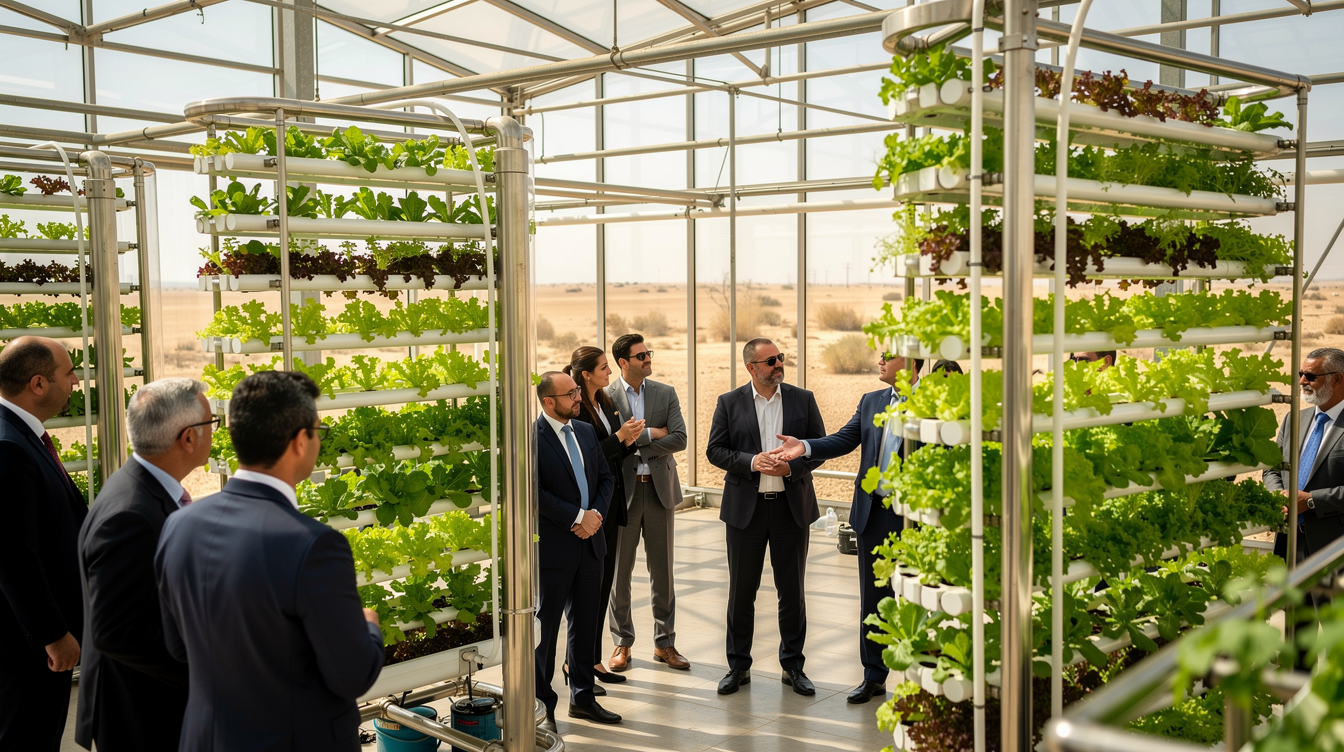
Planning starts with establishing clear learning objectives months before departure, since venue access and expert speakers need lead time to confirm. A seven to ten day program is generally long enough to cover Jerusalem, the Galilee, and Tel Aviv without rushing between regions. Spring and autumn tend to offer the most reliable weather for outdoor, site-based learning, avoiding both winter rain and summer heat.
| Region | Typical Focus | Recommended Days |
|---|---|---|
| Jerusalem | History, faith, archaeology | 3 |
| Galilee | Biblical geography, agriculture | 2 |
| Tel Aviv area | Technology, innovation, business | 2 to 3 |
Choosing a local partner with genuine destination expertise matters most at this planning stage, since permits, venue bookings, and expert speaker coordination are difficult to manage remotely.
How long should a professional study tour in Israel last?
Most organizations find seven to ten days sufficient to cover Jerusalem, the Galilee, and Tel Aviv without overloading the schedule.
What makes a study tour different from a vacation package?
A study tour is built around defined learning objectives and expert-led content, while a vacation package is organized around leisure and general sightseeing.
Which season is best for outdoor site visits?
Spring and autumn generally offer the most stable weather conditions for extensive outdoor, site-based learning.
Can a single itinerary combine faith-based and business content?
Yes, many multi-interest itineraries pair historical or spiritual sites with technology and innovation visits within the same trip.
About the Business
Talya Tours operates as a professional tour operator focused on custom-tailored travel experiences across Israel and the Holy Land. The company works with Christian pilgrims, religious groups, business travelers, and individual tourists from around the world, building itineraries around each group's specific goals rather than offering a fixed route. Its work centers on expert-led travel that brings together history, culture, and innovation within a single coordinated program. Talya Tours manages the operational side of professional, academic, and faith-based group travel, including logistics, venue access, and local expertise, so that organizations can focus on the learning outcomes their trip was designed to deliver.